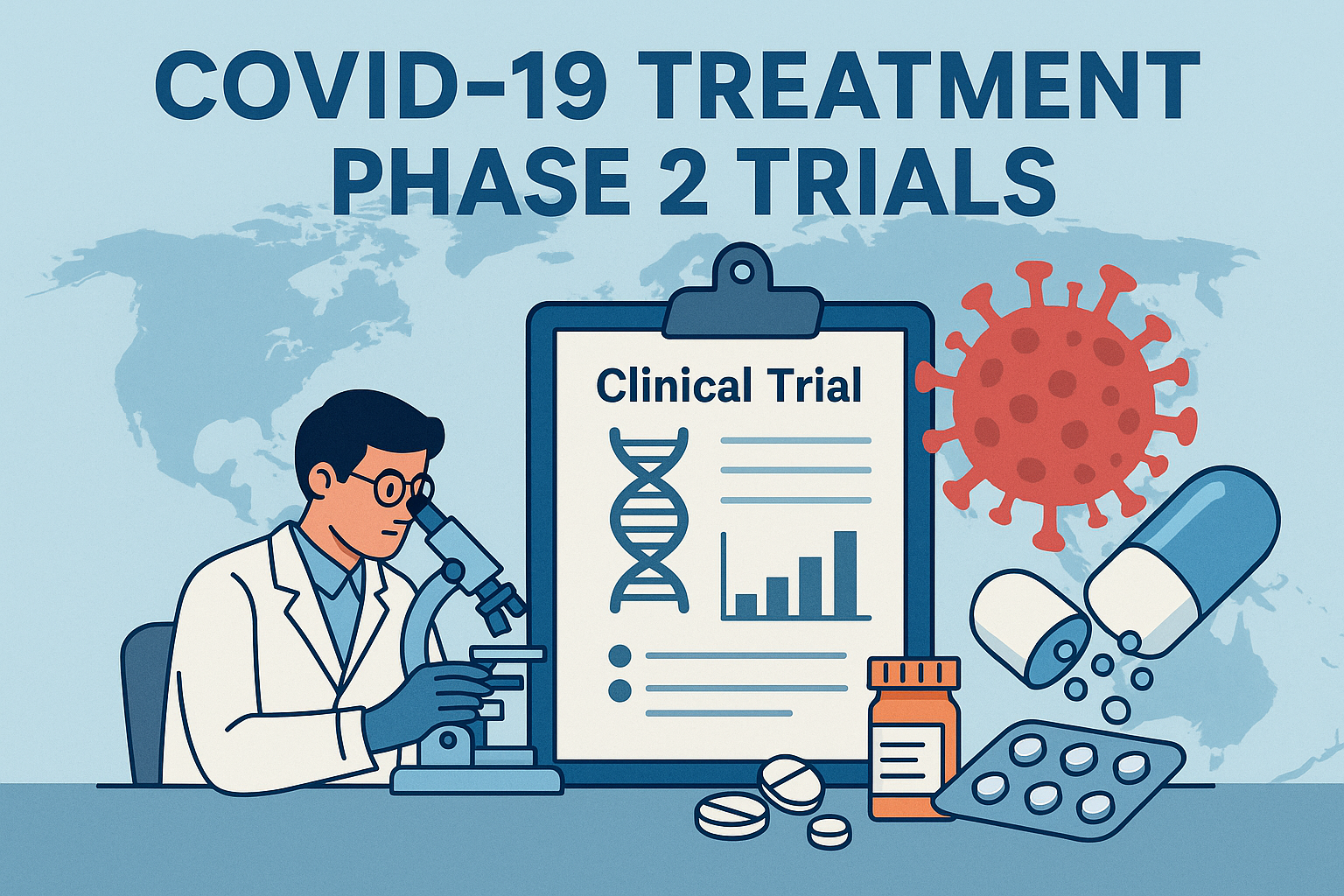
COVID-19 Treatment Phase 2
The global scientific community continues to push forward in developing effective therapies to combat COVID-19. Among the most crucial steps in this journey is the COVID-19 treatment Phase 2 stage, where promising candidates are tested for preliminary efficacy, optimal dosing, and broader safety signals in larger patient groups. This phase is essential to identifying which drugs have the strongest therapeutic potential before they move into large-scale Phase 3 evaluations.
Phase 2 trials typically include several hundred participants and evaluate the ability of a treatment to reduce viral load, limit symptom progression, or prevent hospitalization. These studies bridge the gap between early safety findings and large-scale clinical validation, making them a vital part of the therapeutic development pipeline.
How Phase 2 Differs From Phase 1 and Phase 3
Phase 1: Primarily focused on safety in a small group of healthy volunteers or patients.
Phase 2: Tests real-world effectiveness and dose optimization across wider populations.
Phase 3: Assesses large-scale efficacy in thousands of participants to support global approvals.
Regulatory Frameworks for Phase 2
Phase 2 studies follow strict regulatory guidelines established by agencies such as:
FDA (U.S. Food & Drug Administration)
EMA (European Medicines Agency)
MHRA (UK Medicines and Healthcare Products Regulatory Agency)
These bodies require standardized endpoints, safety monitoring, and transparent reporting to ensure high-quality data.
Current Landscape of Phase 2 COVID-19 Therapeutics
Clinical researchers continue to explore a broad set of therapeutic classes. Several promising categories dominate the current Phase 2 pipeline.
Oral Antivirals in Phase 2
Oral antiviral drug candidates aim to block viral replication early in infection. These trials focus on:
Molecules that inhibit viral proteases
Polymerase-targeting compounds
Repurposed antivirals with known safety profiles
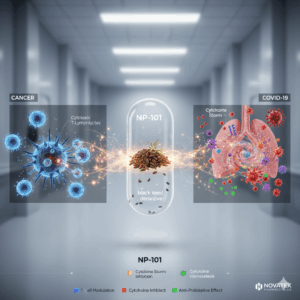
Immunomodulators Targeting SARS-CoV-2
Immunomodulatory drugs in Phase 2 seek to calm the immune system’s overreaction to infection. These include:
T-cell enhancing agents
Cytokine pathway inhibitors
Inflammation blockers targeting IL-6 or JAK pathways
Thymoquinone and Natural Compounds
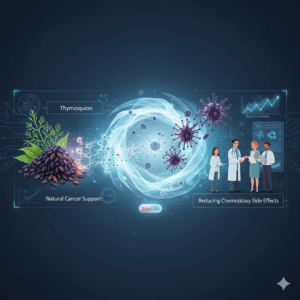
Thymoquinone, a bioactive compound from Nigella sativa, has drawn attention for its antioxidant and potential antiviral properties. Phase 2 studies assess:
Immune modulation effects
Possible viral inhibition
Safety at therapeutic doses
Design of a Standard Phase 2 COVID-19 Clinical Study
Eligibility Criteria
Mild-to-moderate outpatients
Hospitalized moderate cases
Specific age brackets
Confirmed SARS-CoV-2 positivity
Randomization, Blinding & Dose-Finding
High-quality Phase 2 trials use:
Double-blinding for objective results
Adaptive designs to refine dosing
Placebo-controlled arms to measure true efficacy
Primary & Secondary Endpoints
Common Phase 2 endpoints include:
Reduction in viral load
Shorter symptom duration
Prevention of hospitalization
Lower risk of severe complications
Patient Safety and Monitoring in Phase 2 Trials
Safety remains the cornerstone of clinical research.
Interim Review & Stopping Guidelines
Independent Data Safety Monitoring Boards (DSMBs) examine early signals and can pause or stop trials if needed.
Lab Monitoring & Immunogenicity
Monitoring may include:
Blood chemistry
T-cell response panels
Cytokine measurements
Viral sequencing
COVID-19 Treatment Pipeline Updates for 2025
As the virus continues to evolve, so does the therapeutic science.
Repurposed vs Novel SARS-CoV-2 Drugs
Repurposed drugs offer:
Faster development timelines
Known safety profiles
Novel drugs offer:
Tailored mechanisms
Higher efficacy potential
Variant-specific targeting
T-Cell Immune Response Drugs
These treatments aim to:
Strengthen cell-mediated immunity
Provide longer-lasting protection
Reduce severity of infection
Challenges Facing Phase 2 COVID-19 Trials
As variants shift, drugs may display varying levels of:
Neutralization power
Viral suppression
Symptom control
Trial Site Enrollment & Data Gaps
Lower case numbers affect recruitment
Mild cases make endpoint detection harder
Real-world results may differ from trial conditions